A Wellness Class
A single modality. Recurring. Transactional.
You show up, you do the thing, you leave. No arc, no intention. The teacher doesn't know your name and the playlist is on Spotify. It's fine — but it's not a container for change.


A micro-retreat is a guided retreat that fits inside ordinary life. It lasts from two hours to a weekend and moves through a clear opening, a deliberate arc of contemplative practice, and a closing that helps you carry the experience home. Long enough to settle, close enough to return to every month.
A class teaches one practice in an hour and ends. A day retreat fills one full day. A micro-retreat can run from two hours to a weekend, and every one has a clear opening, a deliberate arc of practice and a closing that helps you carry it home.
| Feature | Micro-retreat | Day retreat | Class |
|---|---|---|---|
| Length | Two hours to a weekend | One full day | About an hour |
| Arc | A deliberate arc of contemplative practice | Varies by retreat | One lesson or practice |
| Opening and closing | Always: a clear opening and a closing that helps you carry it home | Sometimes | Rarely |
| How often | Close enough to return to every month | A few times a year | Weekly |
People who can't take a week away from work or family, beginners who want a guided first retreat, and longtime practitioners who want to return to retreat every month without traveling.
It begins with an opening that sets the intention and guidelines. Then comes guided contemplative practice, such as sitting meditation, walking meditation and often periods of quiet. It ends with a closing that helps you bring the practice back into daily life. Each center sets its own schedule.
Two hours to a weekend: a two-hour evening sit, a half day, a full day or an overnight weekend at a retreat center.
Leaving town for a multi-day retreat isn't always practical. Sanghos built the accessible alternative — a daylong container for movement, stillness, and nervous system regulation, twenty minutes from your door.
The micro-retreat isn't about relaxation. It's about reorientation. You come out of it seeing something differently — and you bring that back to your day.
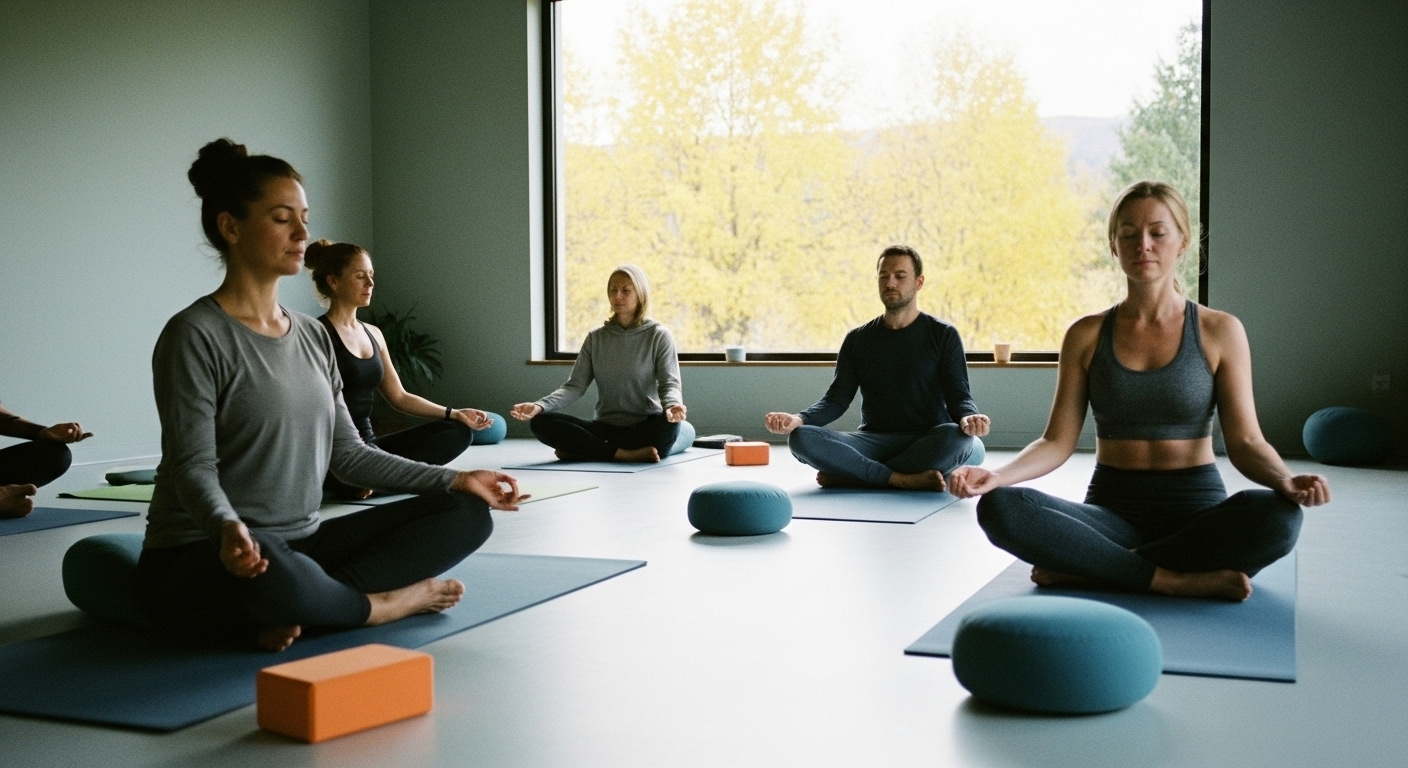
Three formats sit under the same word. Only one of them is built to fit an ordinary week and still change how the day feels afterwards.
A Wellness Class
You show up, you do the thing, you leave. No arc, no intention. The teacher doesn't know your name and the playlist is on Spotify. It's fine — but it's not a container for change.
A Destination Retreat
Days off work, flights, hotels, real money, planning. Most people do one every few years, if at all. It's transformative when it happens — but it rarely happens.
A Micro-Retreat
A micro-retreat is a guided retreat that fits inside ordinary life. It lasts from two hours to a weekend and moves through a clear opening, a deliberate arc of contemplative practice, and a closing that helps you carry the experience home. Long enough to settle, close enough to return to every month.
Any listing that doesn't meet these criteria isn't a micro-retreat on Sanghos. It might be a great class — we'll help it find the right home. But a micro-retreat is something specific.
5 Criteria
define whether an experience can be listed as a micro-retreat.
90 min – 6 hrs
the window where transformation meets an ordinary calendar.
One Facilitator
holds the room from arrival through integration. Always a human.
It has a beginning, a transition, and a close. Not just an activity — a narrative your nervous system can follow from arrival to integration.
90 minutes to 6 hours. Long enough to shift state. Short enough to fit a life. This is the window where transformation meets accessibility.
A human guides the experience. Not a class format where you're one of fifty. The facilitator holds the space — and knows you're in it.
Phones away, presence required. Not as a rule — as an invitation. The micro-retreat is one of the last places that asks you to be unreachable.
Some form of integration time is part of the experience, not optional. You don't just practice — you metabolize what the practice revealed.
Four movements make up a Sanghos day. Each one prepares the next, so the body settles before the mind is asked to.
 01 / Mindful Movement
Gentle, exploratory practices like somatic yoga to release physical tension and map the mind-body connection. We wake up the body before we quiet the mind.
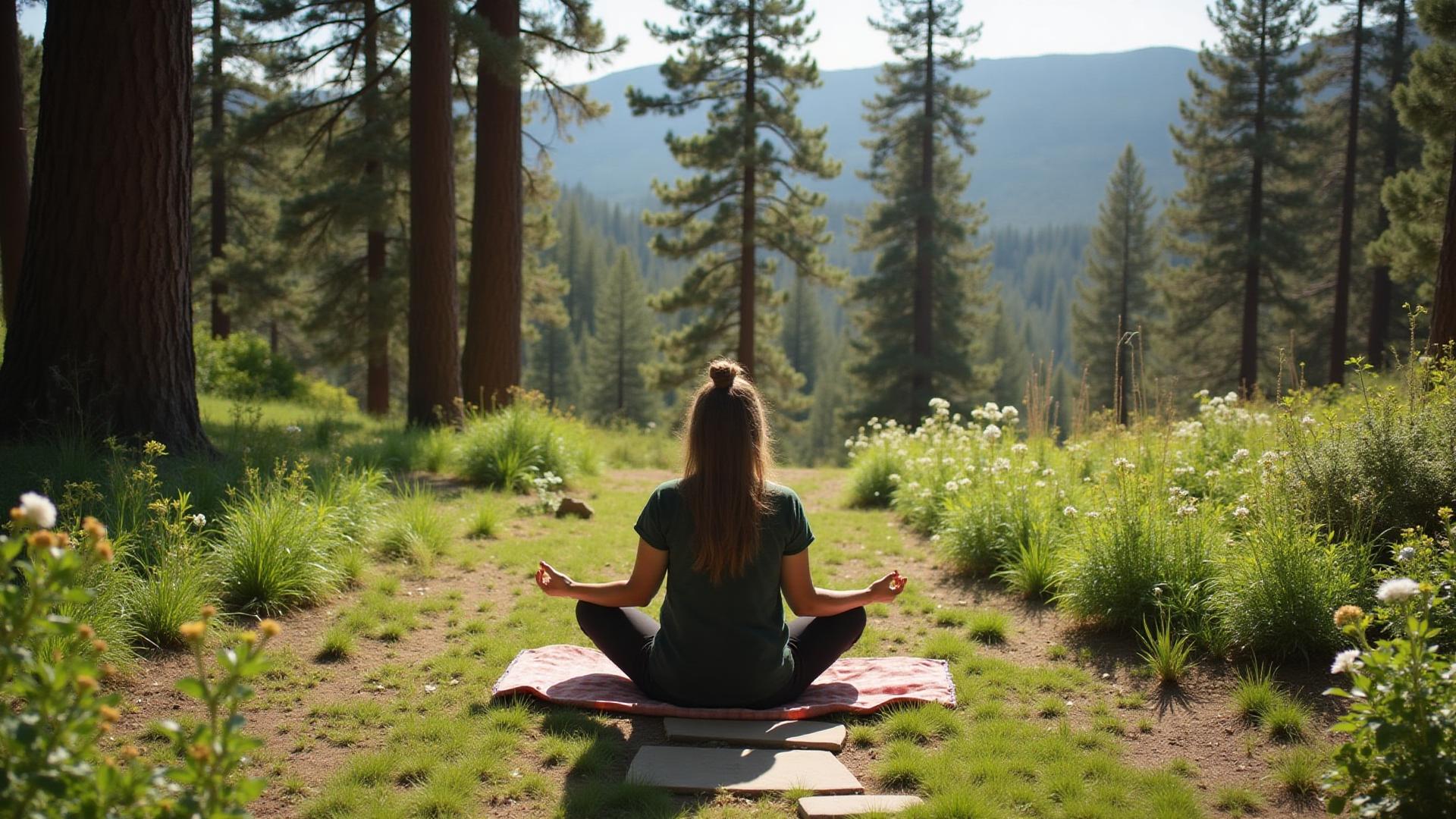 02 / Seated Meditation
Dedicated periods of seated and walking meditation to anchor in the present. Practiced alongside a supportive group, in shared silence.
 03 / Deep Rest & Restoration
Guided restorative sessions, including yoga nidra and immersive body scans, allowing the nervous system to fully downshift. This is where the real transformation lives.
 04 / Community Integration
Facilitated spaces to share, listen, and integrate the day's experiences. Solitude, shared — the compound effect of practicing alongside others.
A daylong meditation retreat is an immersive, single-day program designed to temporarily step away from daily responsibilities and deepen mindfulness. Typically lasting 6 to 8 hours, it provides a structured environment of sustained silence, alternating between sitting and walking meditation, teachings, and mindful meals.
Most daylong programs are scheduled to help participants unplug, settle the nervous system, and cultivate inner clarity.
Shifting between periods of guided or silent sitting meditation and mindful walking.
The practice of refraining from speaking to avoid everyday social distractions, allowing practitioners to focus fully on their inner experience.
Lectures or teachings offered by a guide or teacher to provide context and inspiration for the day's practice.
Opportunities to discuss your meditation practice with the instructor and connect with a supportive community.
Eating in silence to maintain focus, often accompanied by designated quiet time or mindful stretching.
They are ideal for beginners testing out longer retreats or experienced practitioners who cannot commit to a multi-day residential stay.
Studies generally agree that focused mindfulness practice helps reduce stress, anxiety, and depression while improving overall well-being.
In 2026, many centers offer hybrid or online daylongs via platforms like Zoom, allowing you to create a sanctuary-like "home retreat" without traveling.
After each micro-retreat, participants are invited into meditation "pods" — weekly small-group sits that keep the thread of practice alive. A low-friction way to sustain the compound effect.